
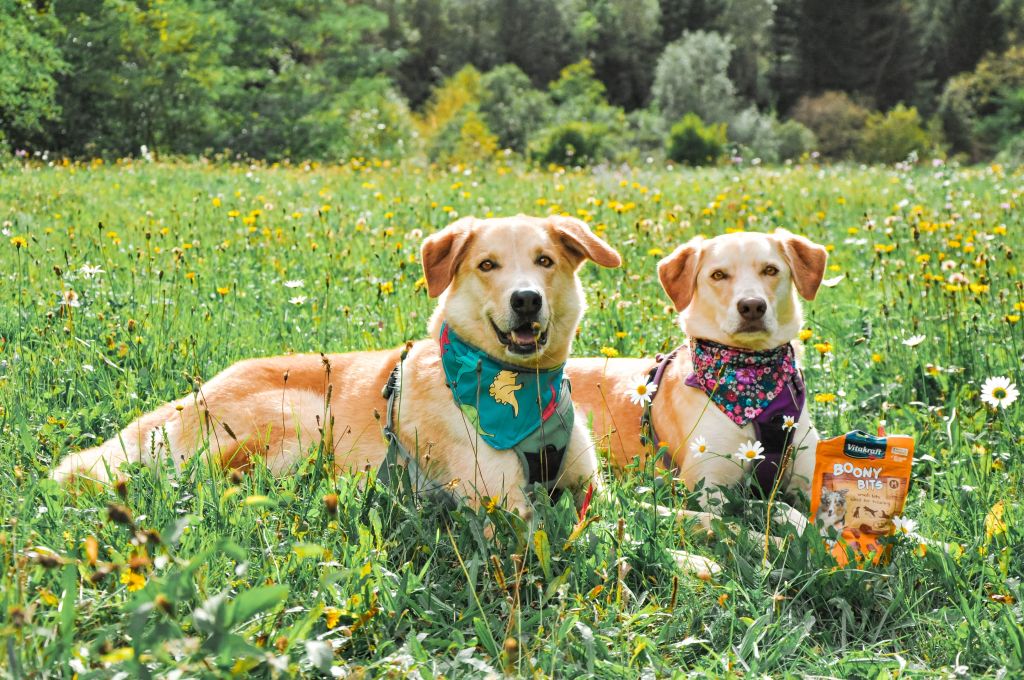
You buy them good food, treats, maybe even the occasional piece of chicken under the table — yet the second you go outside, your dog starts grazing on the lawn like a tiny cow.
So, why does your dog keep eating grass?
The good news is that grass-eating is incredibly common in dogs, and in many cases, it’s completely normal.
1. They might simply like it
Sometimes the simplest explanation is the right one: your dog may actually enjoy eating grass.
Dogs explore the world with their noses and mouths, and fresh grass has an interesting smell, taste and texture. Some dogs even seem particularly interested in soft, fresh grass during certain times of the year.
2. Are they trying to make themselves sick?
You’ve probably heard that dogs eat grass because they have an upset stomach and want to vomit.
That can happen, but it doesn’t mean every grass-eating dog feels sick. Many dogs happily munch on grass and carry on with their day without vomiting at all.
If your dog suddenly becomes desperate to eat grass and is also vomiting, refusing food, having diarrhoea or acting unusually, however, it’s worth paying closer attention.
3. They could be bored
For some dogs, eating grass is simply something to do.
A dog wandering around the backyard without much stimulation might sniff, dig, chew sticks — or start grazing. More walks, playtime, training and enrichment activities can help if boredom seems to be behind the behaviour.
4. What about their diet?
Grass contains fibre, so it’s sometimes suggested that dogs may seek it out when they want a little extra roughage.
However, regularly eating grass doesn’t automatically mean your dog has a nutritional deficiency. If you’re concerned about their diet, a vet can help determine whether their everyday food is providing everything they need.
5. When should you worry?
Occasionally nibbling clean, untreated grass is usually not a major concern.
What matters more is how often they’re doing it and what other symptoms are happening alongside it. Speak to your vet if the behaviour suddenly increases, your dog seems distressed, repeatedly vomits, stops eating, loses weight or develops ongoing digestive problems.
You should also be careful about where your dog grazes. Grass treated with herbicides, pesticides or other lawn chemicals may not be safe to eat.
So, is your dog secretly a cow?
Probably not.
For most dogs, the occasional mouthful of grass is just another slightly strange part of being a dog. They might enjoy the taste, be bored, want some extra roughage — or simply have discovered that the neighbour’s lawn has an excellent vintage.
As long as your dog is happy, healthy and isn’t obsessively eating it, a little grass grazing usually isn’t something to panic about.


Leave a Reply