
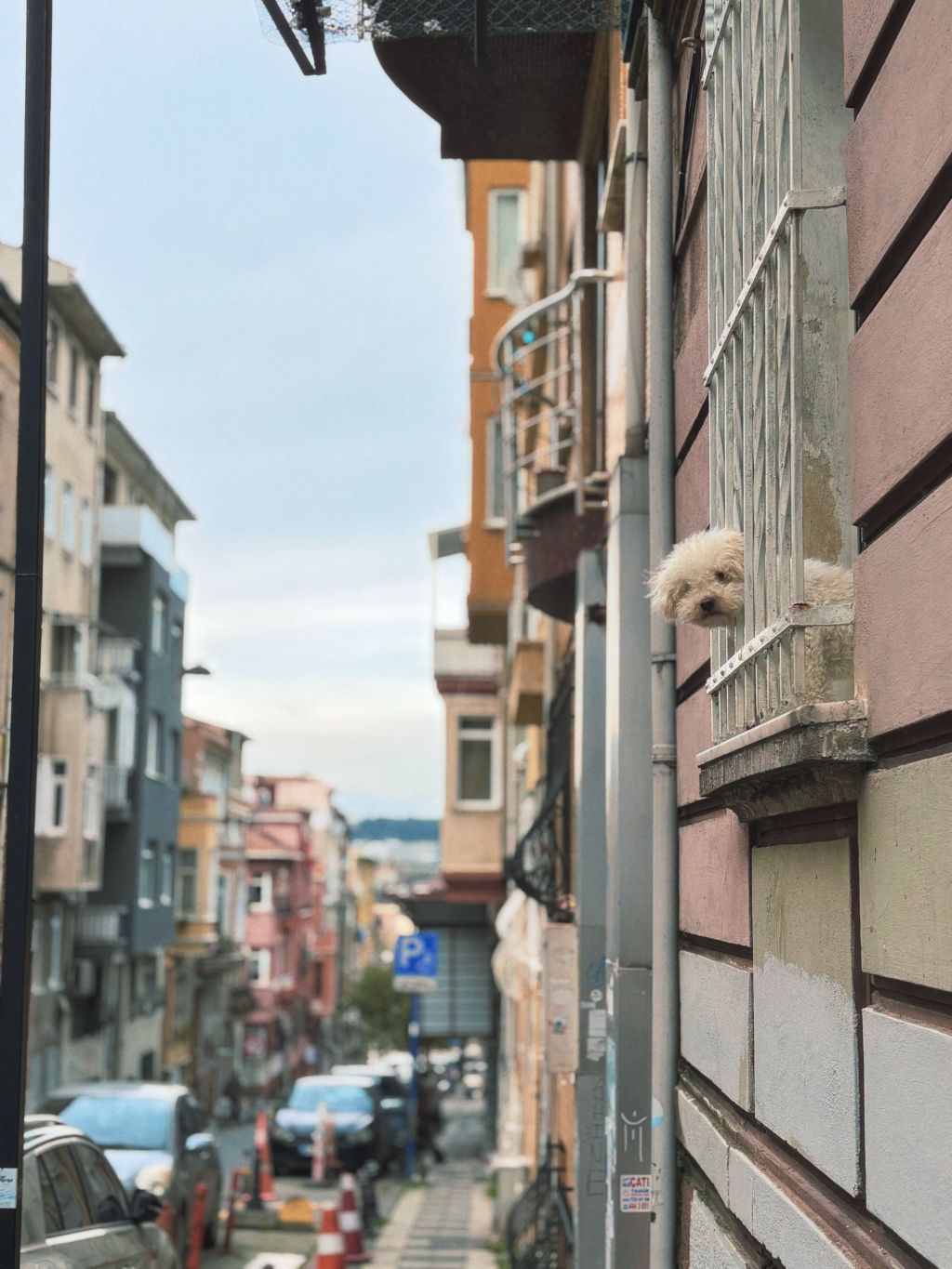
Bringing a dog into an apartment? Here’s what’s genuinely worth buying, what you can skip, and how to create a comfortable dog-friendly home without filling every corner with pet gear.
Bringing home a dog is exciting — and it’s also surprisingly easy to convince yourself that you need to buy everything in the pet aisle.
Beds, bowls, toys, blankets, crates, carriers, grooming tools, treat containers, elaborate feeding stations…the list gets long very quickly.
But apartment living changes things.
When space is limited, every item you bring home needs to earn its place. The goal isn’t to create an apartment overflowing with dog products. It’s to give your dog everything they need to feel comfortable, safe and entertained while keeping your home functional and enjoyable to live in.
Here’s the apartment dog checklist of what you actually need, plus a few things you can probably leave at the pet shop.
1. A Comfortable, Washable Dog Bed
A dog bed is one purchase worth getting right from the beginning.
Your dog needs somewhere that feels like their own — particularly in an apartment where their bed may sit in the middle of your living space rather than in a separate pet area.
Look for a bed with a removable, machine-washable cover. Muddy paws, fur, crumbs and the occasional accident are inevitable, and being able to throw the cover in the washing machine makes life considerably easier.
For smaller apartments, avoid buying an unnecessarily huge bed. Measure your dog while they’re comfortably lying down and choose something large enough for them to stretch out without dominating the room.
The Paw Muse tip: Choose a neutral or complementary colour that works with your existing furniture. Practical pet products don’t have to make your home look like a pet store.
2. Food and Water Bowls
You don’t need an elaborate feeding station.
Two appropriately sized bowls — one for food and one for water — will do the job perfectly well.
Stainless steel and ceramic are popular choices because they’re easy to clean. Whatever you choose, look for something stable enough that your dog can’t easily push it across the floor.
If you’re particularly short on space, placing the bowls on a small washable mat can create a designated feeding area without taking over the kitchen.
And don’t forget fresh water should always be readily available.
3. A Collar, Harness, Lead and Identification Tag
These are genuine essentials.
Even if your dog normally walks on a harness, a properly fitted collar with an identification tag provides another way for someone to contact you if your dog ever gets lost.
Your basic walking setup should include:
- A properly fitted collar
- A comfortable harness suitable for your dog’s size
- A sturdy everyday lead
- An identification tag with useful contact information
Avoid choosing a collar or harness purely because it looks good. Fit, weight and comfort matter — particularly for small dogs.
If you’re unsure about choosing an identification tag, we’ve also put together our guide to How to Choose the Perfect Dog Tag for Your Pet. ← This is where you can link your first Paw Muse article.
4. An Indoor Toilet or Pee-Pad Setup
Not every apartment dog needs an indoor toilet, but for some households it can be incredibly useful.
If you live several floors above ground level, getting outside isn’t quite as simple as opening the back door.
Puppies, senior dogs and dogs that are still adjusting to apartment life may particularly benefit from having an appropriate indoor option.
This could be disposable pee pads, washable pads or a dedicated indoor dog toilet.
The important part is consistency. Choose one designated location rather than scattering pads around the apartment, otherwise it can become confusing for your dog.
5. Enrichment Toys for Time Spent Alone
Apartment dogs don’t necessarily need enormous amounts of stuff — but they do need stimulation.
Dogs can become bored when they’re left alone, and in an apartment that boredom can quickly turn into barking, chewing or destructive behavior.
Instead of buying twenty random toys, build a smaller rotation.
Food puzzles, treat-dispensing toys, safe chew toys and sniffing activities can give your dog something interesting to do when you’re busy or out of the apartment.
Rotating a few toys can also make old toys feel interesting again without continually buying new ones.
6. Toy Storage That Doesn’t Take Over Your Apartment
This sounds like an unnecessary detail until dog toys begin appearing in every room.
One basket is usually enough.
Choose something that works with the style of your apartment and keep your dog’s everyday toys inside it. An open basket also allows your dog to grab their own toys if it’s kept somewhere accessible.
When the basket starts overflowing, that’s probably a sign that you don’t need another toy.
7. Cleaning Products and Pet-Hair Tools
This is the less glamorous part of dog ownership — but arguably one of the most important parts of apartment living.
At minimum, it’s useful to have an enzyme-based pet cleaner available for accidents. Unlike simply masking a smell, enzymatic cleaners are designed to break down organic messes.
You’ll probably also appreciate having a reliable way to remove fur from furniture and clothing.
Depending on your dog’s coat, that might mean a lint roller, reusable pet-hair remover, vacuum attachment or grooming brush.
A small cleaning kit kept together is much more useful than a cupboard full of specialized pet-cleaning gadgets.
8. A Few Grooming Basics
You don’t need to recreate a professional grooming salon at home.
What you need depends heavily on your dog’s breed and coat, but a basic setup might include an appropriate brush or comb, dog shampoo, nail-care supplies and dental-care products.
Long-haired and curly-coated breeds generally require considerably more coat maintenance than short-haired breeds, so research the grooming requirements of your particular dog rather than buying a generic grooming kit.
What You Probably Don’t Need
This is where pet shopping can get expensive.
There are plenty of clever-looking products that are useful for some dogs but aren’t automatic essentials for every new owner.
You probably don’t need five dog beds for a small apartment, an enormous collection of toys, multiple matching collars before you know what your dog finds comfortable, bulky furniture designed specifically for pets or every grooming gadget available.
The same goes for buying huge quantities of treats and food before you’ve worked out what agrees with your dog.
Start with the essentials.
Once you’ve actually lived with your dog for a few weeks, you’ll have a much better idea of what would genuinely make your life easier.
Don’t Forget the Things You Can’t Buy
Some of the most important parts of preparing for a dog aren’t products at all.
Before bringing your dog home, think about where they’ll sleep, where they’ll eat, how often they’ll go outside, what happens when you’re at work and how you’ll keep them mentally stimulated.
You should also organise the practical side of ownership, including appropriate veterinary care and making sure your dog’s identification and registration details meet the requirements where you live.
A beautifully styled dog bed is lovely.
A realistic everyday routine is much more important.
The Apartment Dog Essentials Checklist
Save this list for when you’re getting everything ready:
☐ Washable dog bed
☐ Food bowl
☐ Water bowl
☐ Collar
☐ Harness
☐ Lead
☐ Identification tag
☐ Indoor toilet/pee pads if required
☐ 2–4 enrichment or chew toys
☐ Toy basket
☐ Enzyme cleaner
☐ Pet-hair remover
☐ Appropriate grooming brush
☐ Dog shampoo
☐ Dental-care basics
☐ Food and treats
☐ Poop bags
☐ Vet details organised
☐ A plan for exercise and time spent alone
A Smaller Home Doesn’t Mean a Less Happy Dog
Dogs don’t measure their quality of life in square metres.
A well-prepared apartment with opportunities for exercise, enrichment, rest and time with their owner can make a wonderful home.
And when you’re starting out, buy less than you think you need.
Choose the essentials carefully, see how your dog settles into your home, and add things because they solve an actual problem — not simply because the pet aisle convinced you that you needed them.
That approach is better for your apartment, your budget and probably your dog too
 The Paw Muse
Leave a comment